
Ecommerce innovation alliance
Current Issues Affecting Ecommerce Businesses
The Ecommerce Innovation Alliance (EIA) has a clear understanding of the challenges and issues affecting ecommerce businesses and we advocate for e-commerce businesses on key legal and regulatory issues.
Our work includes protecting against frivolous Telephone Consumer Protection Act (TCPA) litigation and defending the de minimis exception for imported goods. The EIA also promotes the responsible development of Rich Communication Services (RCS) and Artificial Intelligence (AI) in e-commerce, opposing hindering regulations. Furthermore, we seek clarity regarding the application of the Americans with Disabilities Act (ADA) to websites to address the surge in related litigation. Read more below about the current issues affecting ecommerce businesses.
Jump to a topic below
Telemarketing Laws and Regulations
The Ecommerce Innovation Alliance (EIA) plays a crucial role in safeguarding e-commerce businesses from the potentially devastating consequences of frivolous Telephone Consumer Protection Act (TCPA) litigation. This is achieved through a multifaceted approach that includes regulatory advocacy, litigation monitoring and support, education, and industry collaboration.
The EIA works to build consensus on key issues and present a unified voice to policymakers and regulators on both the Federal and State levels. By taking a proactive and comprehensive approach to TCPA compliance, the EIA helps its members mitigate the risk of costly litigation and regulatory enforcement actions. This allows e-commerce businesses to focus on innovation and growth while maintaining a high level of consumer trust and confidence.

Import Tariffs
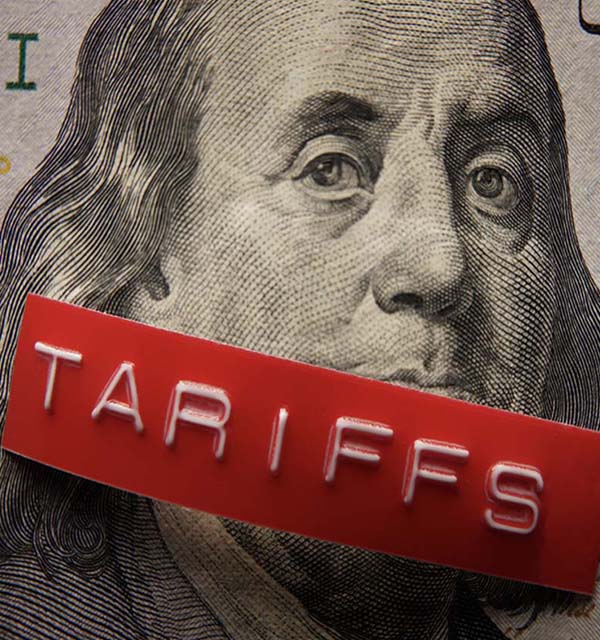
The de minimis exception, which allows goods valued at or below $800 to enter the U.S. without duties or taxes, has significantly fueled e-commerce growth by reducing costs and streamlining logistics for businesses, empowering small and medium-sized businesses (SMBs), facilitating innovation, and driving economic activity. Eliminating or substantially modifying it would harm U.S. consumers and e-commerce businesses, leading to increased costs, administrative burdens, stifled innovation, supply chain disruptions, and job losses.
The Ecommerce Innovation Alliance (EIA) is actively engaged in efforts to protect this vital trade provision. This includes expressing concerns about proposed restrictions, advocating for targeted approaches, and data-driven analysis to inform policy decisions. By working collaboratively with policymakers, industry leaders, and other stakeholders, the EIA aims to ensure that the de minimis exception remains a cornerstone of U.S. trade policy, supporting innovation and economic growth.
Protecting AI and RCS
The Ecommerce Innovation Alliance (EIA) advocates for protecting innovation in Rich Communication Services (RCS) and Artificial Intelligence (AI) for e-commerce growth. We argue against unnecessary state-by-state regulations that could hinder these technologies.
AI is essential for personalization and efficiency in ecommerce, but overly broad regulations could stifle innovation, create burdens, and impair personalization. RCS offers enhanced communication features beyond traditional SMS/MMS, improving customer experiences and business interactions. Overregulating it would limit these benefits.
The EIA emphasizes that many regulations for mobile communications are impractical due to real-time location uncertainty and interstate commerce. We are actively educating policymakers on these issues, advocating for sensible, consistent federal frameworks that foster growth and protect consumers.

ADA Litigation
The Americans with Disabilities Act (ADA) has seen a dramatic increase in website accessibility litigation, with a 349% rise between 2013 and 2021. This surge is primarily fueled by the ADA’s provision allowing plaintiffs to recover attorney fees, creating a financial incentive for lawsuits.
A core problem lies in the ambiguity surrounding the application of Title III of the ADA to websites. Title III prohibits discrimination in places of public accommodation but lacks explicit guidance on website accessibility. This uncertainty increases litigation risk for businesses, creates unclear compliance standards, and fosters an environment where “shakedown” lawsuits targeting e-commerce businesses for quick settlements become common.
The Ecommerce Innovation Alliance (EIA) advocates for much-needed clarity. This includes defining the scope of Title III, establishing clear technical standards, and to consider the impact on ecommerce businesses.