
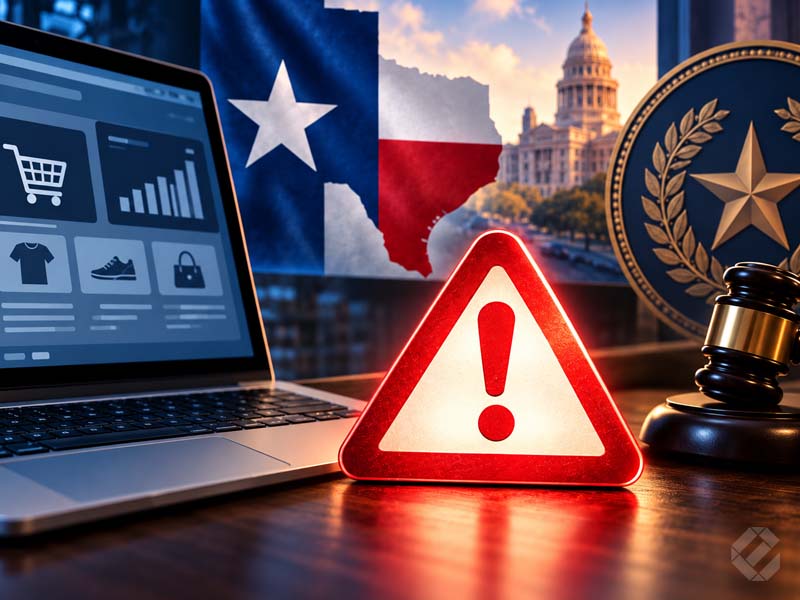
Texas AG Warns Businesses About CIPA Demand Letters
October 5, 2026
The EIA has spent the past two years tracking the growing wave of litigation under the CIPA and fighting to curb this abuse, particularly claims targeting the routine website technologies ecommerce businesses use every day. Now, the issue is drawing attention well beyond California. On September 17, Texas Attorney General Ken Paxton issued a consumer alert warning Texas businesses and nonprofit organizations about a recent surge in demand letters alleging CIPA violations based on common website tools such as cookies, pixels, analytics platforms and search bars.…
READ FULL POST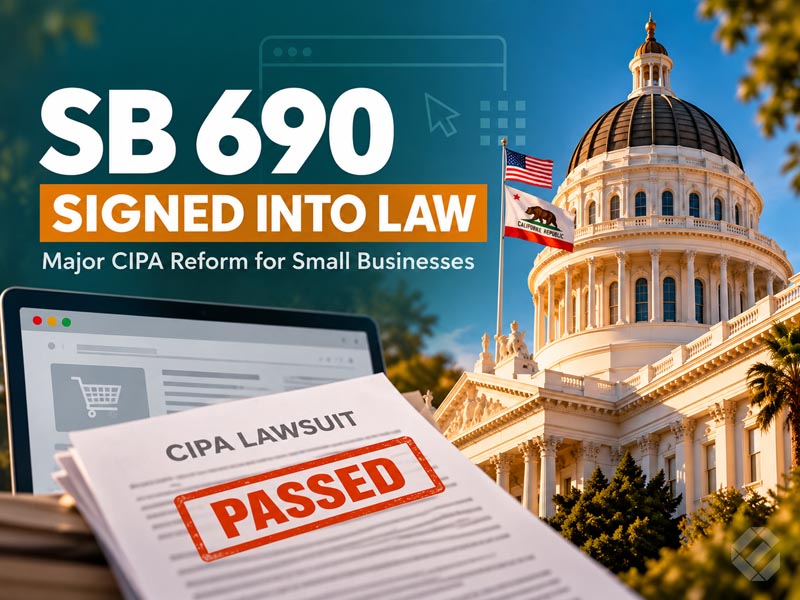
Governor Newsom Signs SB 690: Real Relief for Small Businesses Targeted by Abusive CIPA Lawsuits
October 1, 2026
Governor Gavin Newsom has now signed Senate Bill 690 into law. It's the first meaningful reform of the California Invasion of Privacy Act (CIPA) in decades, and a major win for the online businesses that have been hit with a wave of shakedown lawsuits and demand letters. When SB 690 cleared the Legislature in August, we said small businesses were one step closer to relief. Relief against abusive pen register and trap-and-trace claims is now the law of the land.…
READ FULL POST
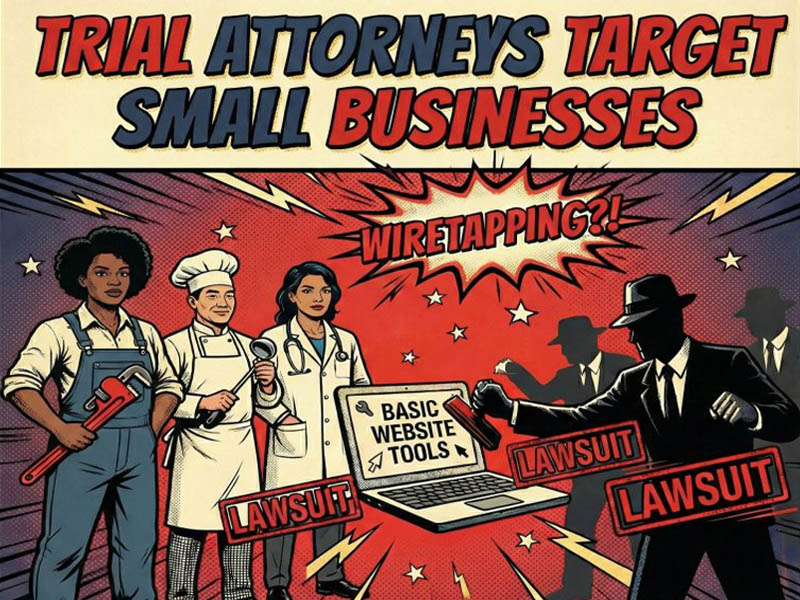
SB 690 Passes the Legislature: Small Businesses One Step Closer to Relief from Abusive CIPA Lawsuits
August 29, 2026
August 28, both houses of the California Legislature passed Senate Bill 690, sending the first meaningful CIPA reform in decades to Governor Gavin Newsom's desk. The Assembly took up the bill on the floor and the Senate concurred in the Assembly's amendments the same day, clearing the final legislative hurdles with just days left before the Legislature adjourns on August 31.…
READ FULL POST
Not All Website Users Are Equal: What “Cobbs v. PetMed Express” Means for Ecommerce
August 24, 2026
A federal court in Florida has dismissed a closely watched privacy lawsuit involving website tracking technology after concluding that the named plaintiffs could not demonstrate the concrete privacy injury required to pursue their claims in federal court. In a July 31st order denying class certification and dismissing the amended complaint, the U.S. District Court for the Southern District of Florida found that neither remaining named plaintiff in Cobbs v. PetMed Express, Inc. had Article III standing. The court dismissed the amended complaint without prejudice for lack of jurisdiction.…
READ FULL POST
Federal Judge Rejects CIPA Pixel Lawsuit Lacking Evidence of Genuine Privacy Harm
July 9, 2026
For the past several years, ecommerce businesses have faced an onslaught of lawsuits targeting the routine use of website analytics and advertising technologies. Plaintiffs' attorneys have increasingly relied on the California Invasion of Privacy Act (CIPA) to argue that common website tracking tools constitute unlawful surveillance, even when they collect only standard browsing information. Many of these lawsuits have followed a familiar pattern: broad allegations, little evidence of actual harm, and significant pressure on businesses to settle rather than endure expensive litigation.…
READ FULL POSTPost categories
- Industry News (11)
- Legal Update (28)
- Legislative Update (99)
- Organization News (6)
- Regulatory Update (77)
REcent Posts
Popular Tags
California Consumer Privacy Act (22) California Privacy Protection Agency (22) CCPA (21) CPPA (22) Ecommerce Innovation Alliance (151) EIA (150) FCC (78) Federal Communications Commission (61) mini-TCPA (27) quiet hours (31) robocalls (33) scam phone calls (26) shakedown litigation (30) SMS (39) sms marketing (67) spam calls (32) spam phone calls (22) TCPA (77) TCPA lawsuits (24) telemarketing laws (24) Telephone Consumer Protection Act (59) text messages (43) text messaging (35) text messaging laws (24) tracking technologies (27)